
Raw Materials
High-performance aerospace raw materials
STAINLESS STEEL
Corrosion-resistant and reliable under heat, suitable for critical systems and mechanical assemblies.

SUPERALLOYS
Ultra-resistant alloys engineered for the extreme conditions of turbines and high-heat engine zones.

ALLUMINIUM ALLOYS
Lightweight and durable alloys offering excellent strength-to-weight performance for key aerospace structures.

TITANIUM ALLOYS
High-strength, low-density metals ideal for components exposed to extreme stress and temperature.
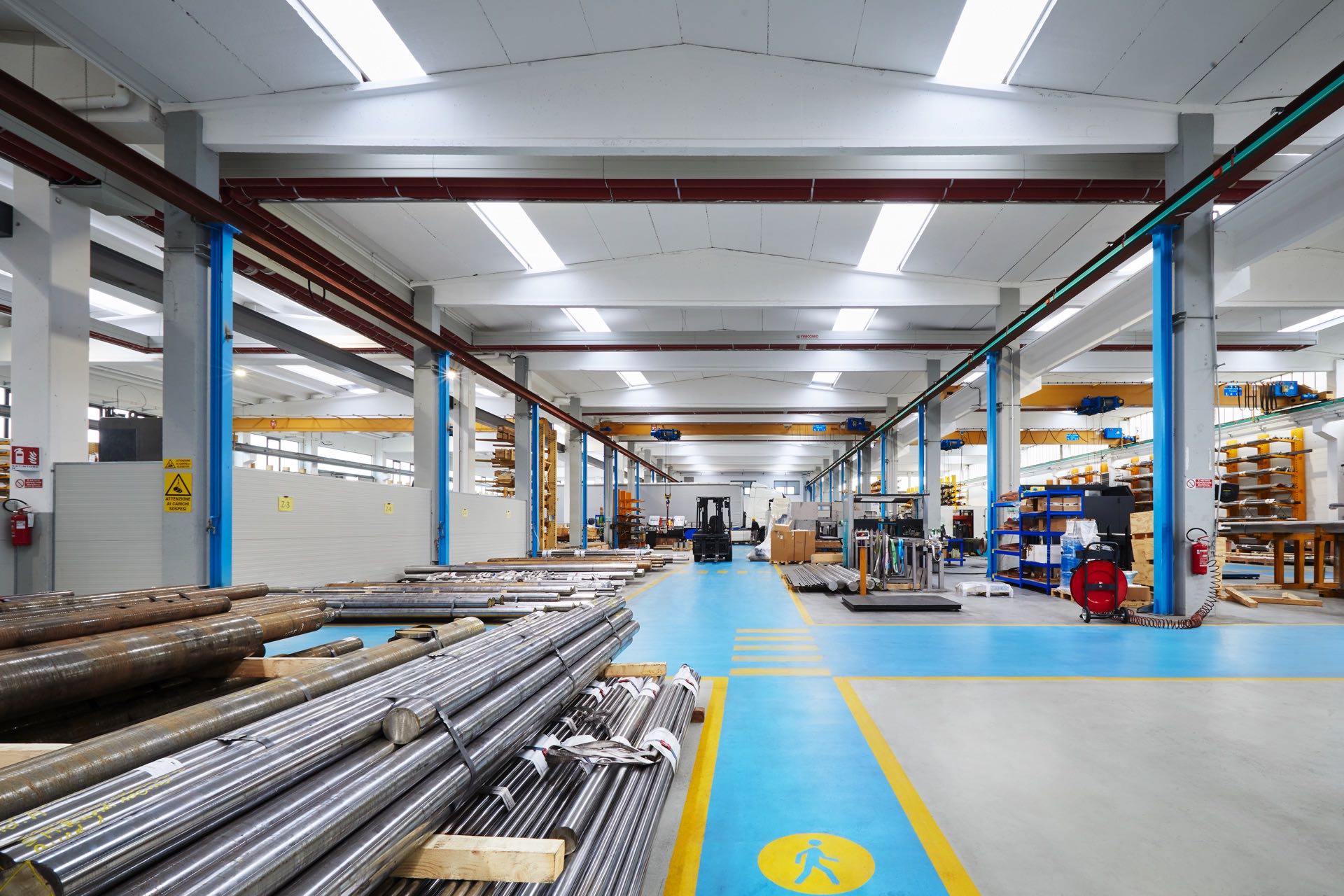
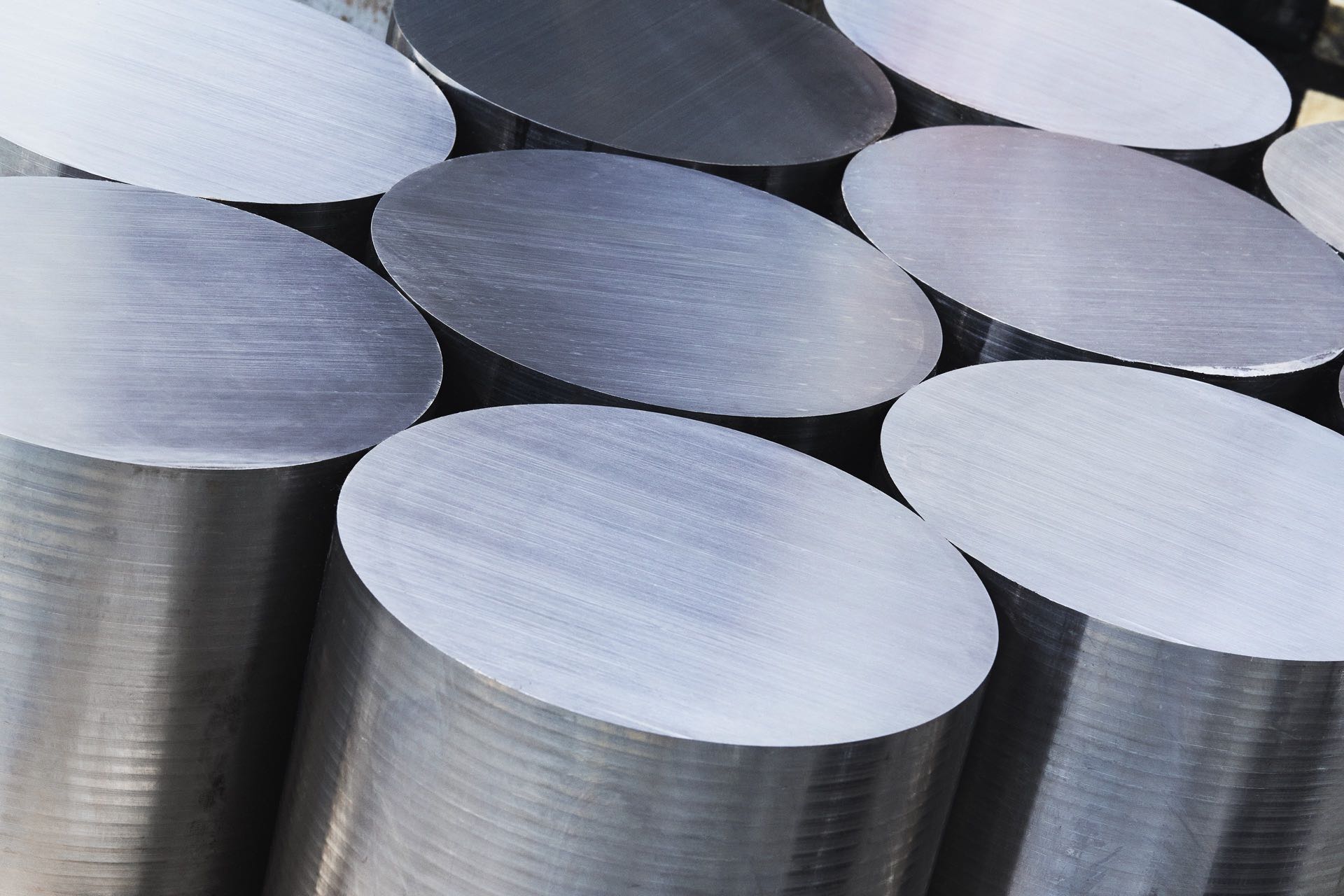
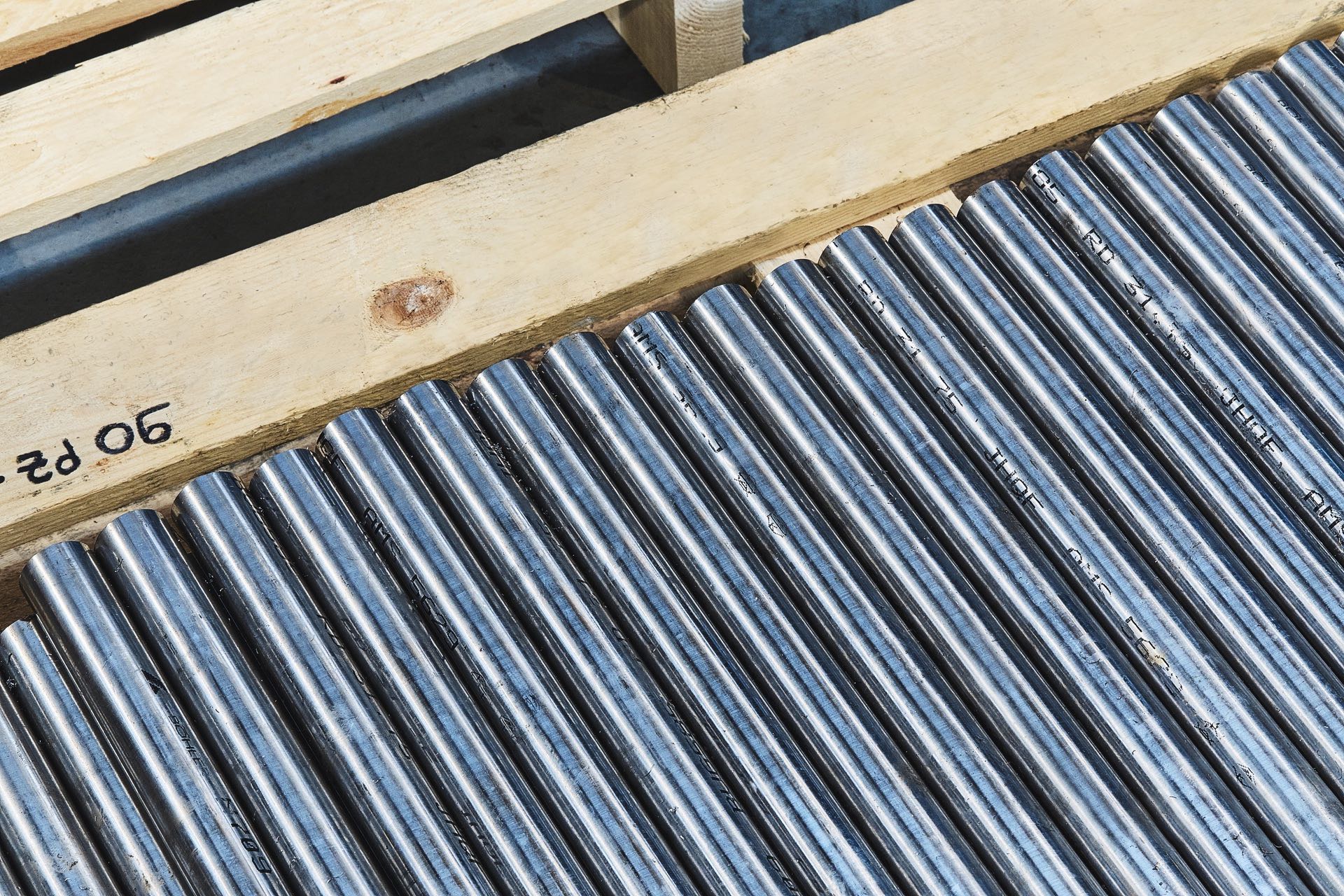
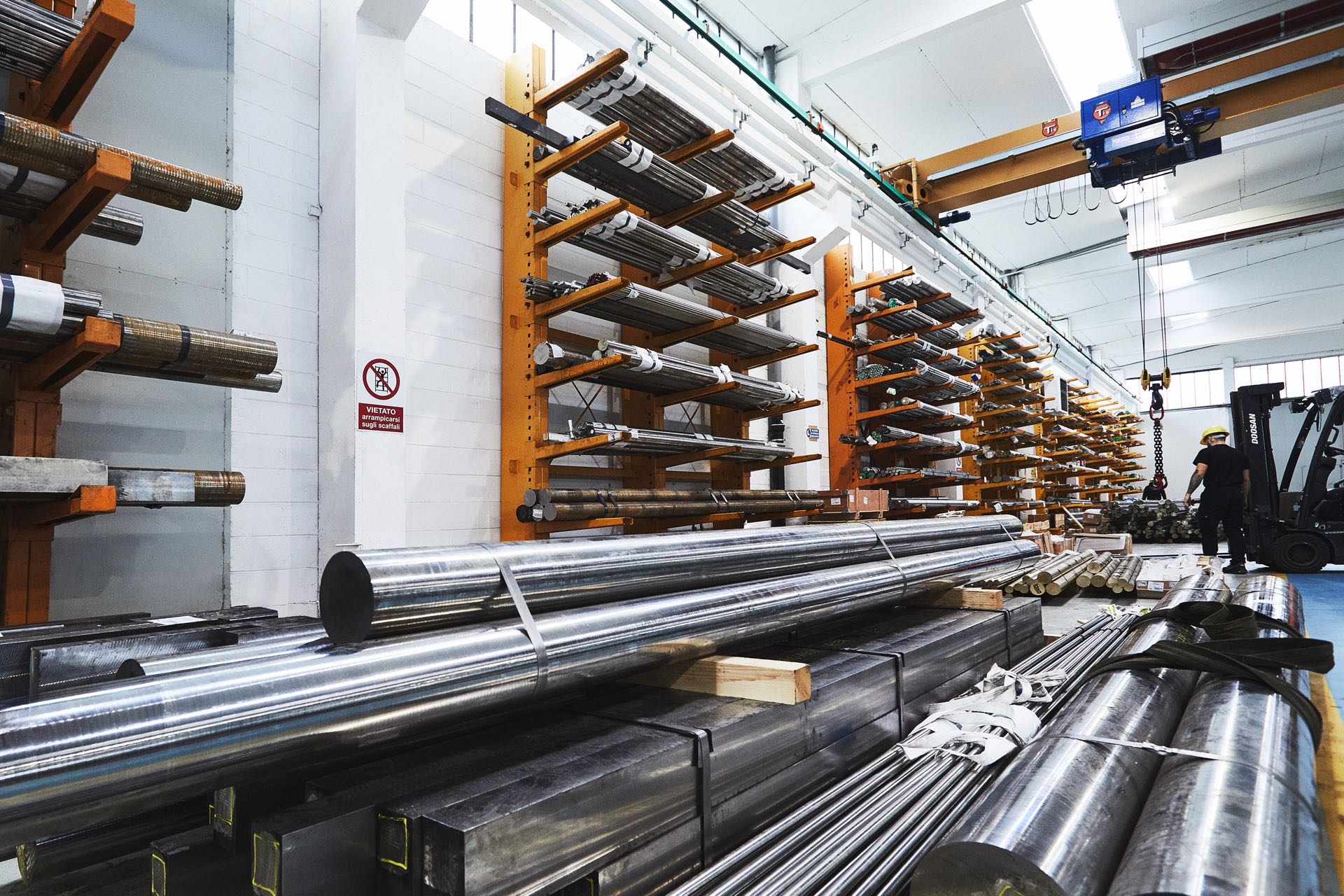

By investing in high-quality aerospace raw materials, AMM GROUP supports manufacturers in delivering reliable, high-performance components that shape the future of flight.
Stainless Steel
Stainless steel provides a dependable combination of strength, corrosion resistance and heat tolerance, making it a versatile material for numerous aerospace systems.
Its wide range of available grades enables the design of both structural and functional components, ensuring consistent performance in applications such as hydraulic circuits, exhaust assemblies and actuation mechanisms.
Stainless Steel
Stainless steel provides a dependable combination of strength, corrosion resistance and heat tolerance, making it a versatile material for numerous aerospace systems.
Its wide range of available grades enables the design of both structural and functional components, ensuring consistent performance in applications such as hydraulic circuits, exhaust assemblies and actuation mechanisms.
High-Temperature Alloys (Superalloys)
Superalloys—primarily nickel- and cobalt-based—are engineered to operate in the extreme temperature and pressure conditions typical of jet engines and propulsion systems.
Their exceptional durability, resistance to oxidation and ability to retain mechanical properties over prolonged heat exposure ensure optimal reliability for components like turbine blades, hot-section parts and combustion chambers.
High-Temperature Alloys (Superalloys)
Superalloys—primarily nickel- and cobalt-based—are engineered to operate in the extreme temperature and pressure conditions typical of jet engines and propulsion systems.
Their exceptional durability, resistance to oxidation and ability to retain mechanical properties over prolonged heat exposure ensure optimal reliability for components like turbine blades, hot-section parts and combustion chambers.
Aluminum Alloys
Aluminum alloys are widely adopted in aerospace thanks to their exceptional strength-to-weight ratio, which makes them ideal for manufacturing structural components such as fuselages, wings and load-bearing elements.
Their natural resistance to corrosion ensures long-term durability even in the harsh environmental conditions typical of high-altitude operations, guaranteeing reliability and performance across a wide range of applications.
Aluminum Alloys
Aluminum alloys are widely adopted in aerospace thanks to their exceptional strength-to-weight ratio, which makes them ideal for manufacturing structural components such as fuselages, wings and load-bearing elements.
Their natural resistance to corrosion ensures long-term durability even in the harsh environmental conditions typical of high-altitude operations, guaranteeing reliability and performance across a wide range of applications.
Titanium Alloys
Titanium alloys combine high mechanical strength with remarkably low density, offering an optimal balance for parts subjected to intense mechanical stress.
Their ability to maintain structural integrity at elevated temperatures makes them particularly suited for engine zones, landing gear and other high-performance applications where both resistance and weight reduction are essential.
Titanium Alloys
Titanium alloys combine high mechanical strength with remarkably low density, offering an optimal balance for parts subjected to intense mechanical stress.
Their ability to maintain structural integrity at elevated temperatures makes them particularly suited for engine zones, landing gear and other high-performance applications where both resistance and weight reduction are essential.